 Most popular
Home office furniture
Your back noticed before you did.
Sit-stand desks, chairs that adjust to you, and light you can actually read by. Start with your height and we'll work out the rest.
Your numbers
Move the slider to your height. These are good starting points: adjust them until your shoulders drop.
Rise Desk reaches both of your desk heights.
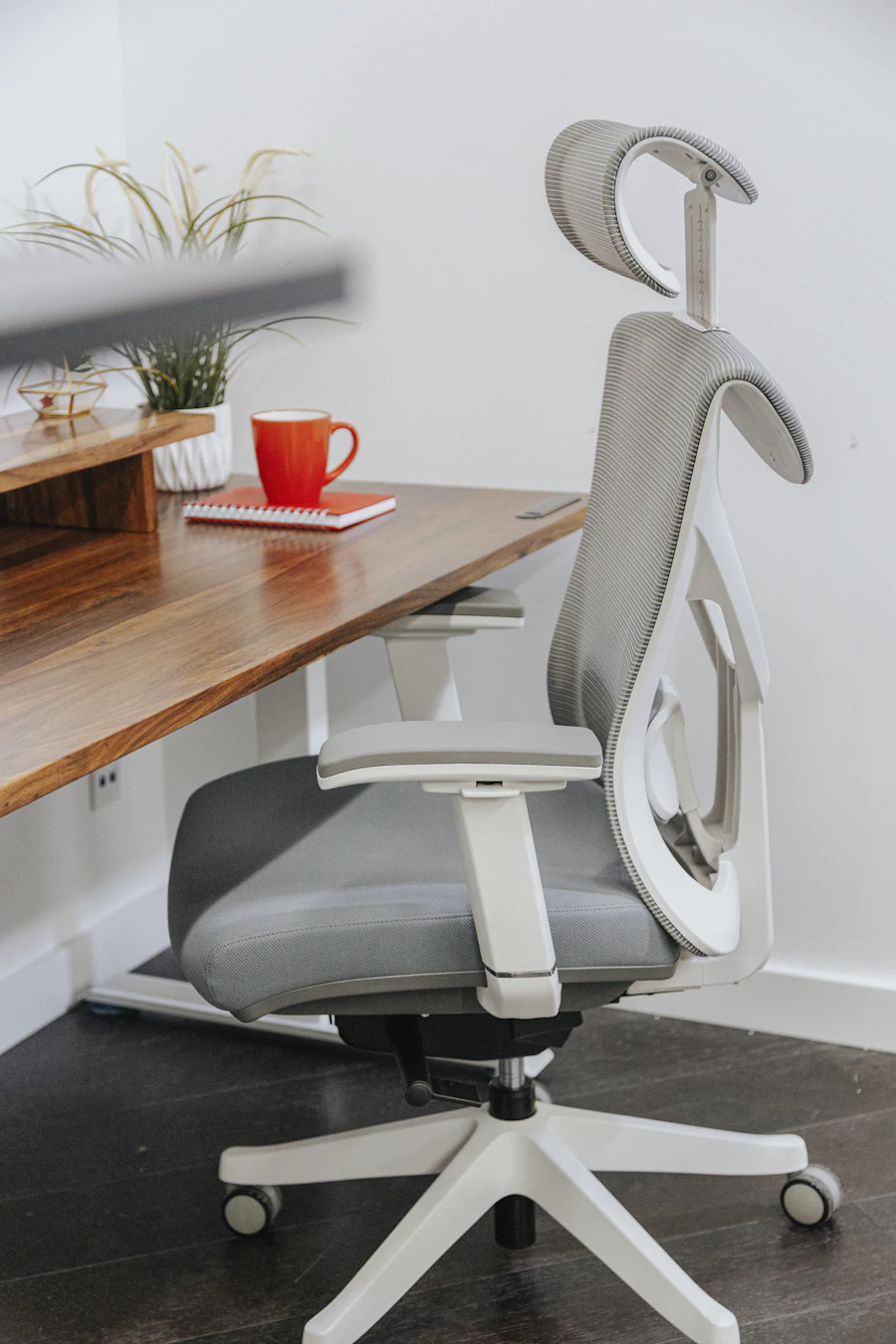
Mesh Task Chair adjusts to your seat height.
A rule of thumb from common ergonomic guidance, not medical advice. If you have pain, please talk to a physiotherapist.
- Chair seat
Feet flat, knees at a right angle
- Desk, sitting
Elbows level with the desk
- Desk, standing
Elbows level, shoulders down
- Top of screen, standing
At or just below eye level
Where most people start
See everything
Four things that help more than any gadget
-
Change position often
The best posture is the next one. Switch between sitting and standing every 30–60 minutes.
-
Bring the screen up
Looking down is what tires your neck. Raise the screen, even if it's a pile of books.
-
Let your feet touch the floor
If they don't, your lower back ends up doing the work.
-
Light the room, not just the desk
A bright screen in a dark room is hard on your eyes. Use a lamp as well as the ceiling light.
Shop by kind
Thirty days in your own home
A showroom can't tell you how a chair feels at 4 pm on a Tuesday. Try it at home, and if it isn't right we'll collect it for free and refund you.
How the trial works